Filipino Giniling
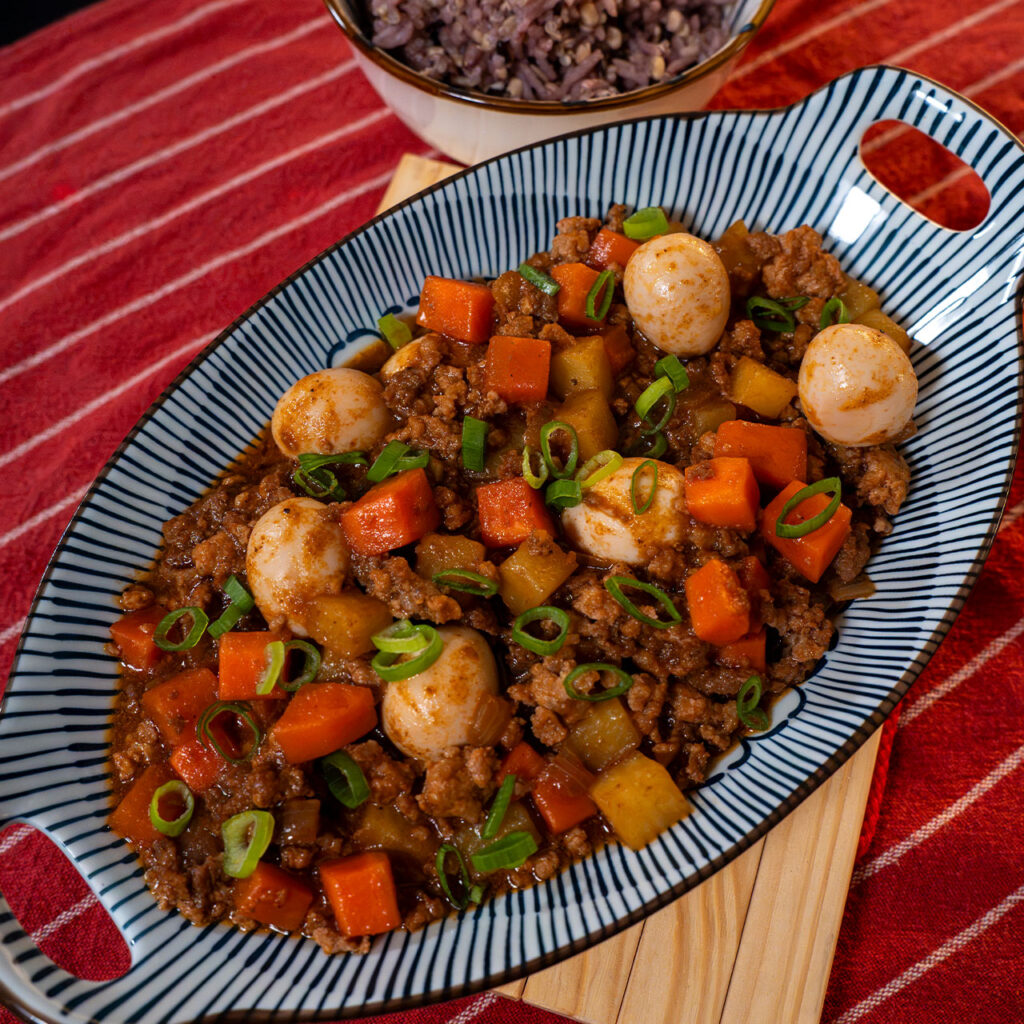
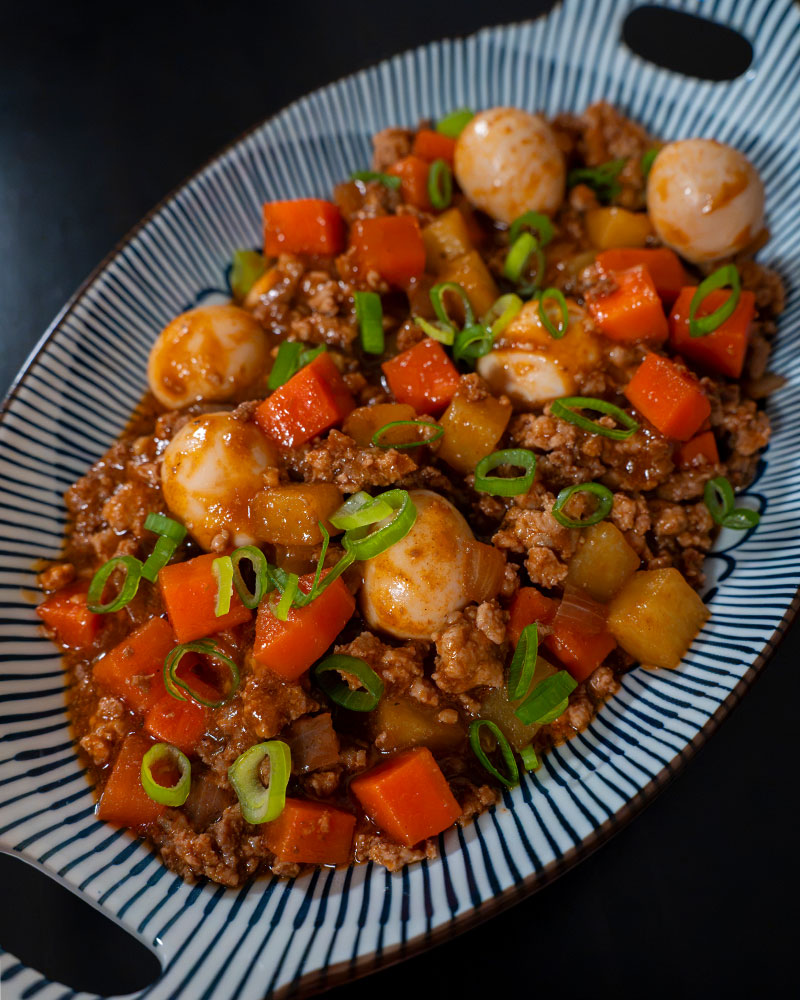
This Filipino Giniling is my take on the dish I grew up eating for baon. Made with ground pork, potatoes, carrots, tomato sauce and liver spread, this savoury Filipino comfort food is an easy one-pot meal that’s perfect with a big bowl of rice.
by hungrycuriouskat
Filipino Giniling Recipe (with Liver Spread)
The Unnamed Giniling
You know when you grew up calling something one thing and you never really questioned it until you do…
So, me and my brother would go feral over this one dish that my mom would make for our baon (packed lunch). She would make it when she got home from work, and as I watched her cook one of our favourite dishes, I couldn’t help but think about how much effort she put into making our school days a little better through these small things. My mom did this from preschool all the way up until our first job.
When I had this dish as my baon, one of my officemates asked me what it was. I told him it was called “giniling” (with full confidence). He looked at me confused because the translation of giniling is simply “ground meat” – it was a literal name for the dish that uses ground pork as the main protein. Then, I started learning about picadillo and how similar it is to the food I was obsessed with growing up. Now, the real question is: what is it actually called?
For me, I still call it “giniling.” Not because old habits die hard, but because I feel like we already have so many words that originated from Spanish words (colonization, ‘em I right?). I want to use “giniling” as a homage to my culture, as it is a uniquely Filipino name for a dish that reflects Filipino flavours.
As I tell this story, I’m now curious…what do you call this dish?
Breaking Down the Recipe:
What is Giniling?
I just found out that giniling is also called Filipino picadillo! Giniling is a tomato-based dish that uses ground meat – it can be pork or beef – and is mixed with vegetables such as diced potatoes and carrots. Typically, everything is simply sautéed with the tomato sauce, but my version is a bit different because it uses the same process as menudo. The Filipino version of picadillo also uses quail eggs, which add a nice texture as they soak up the stew’s sauce. This is a one-pot dish that’s very easy to make, so it’s perfect for meal prep!
What is the difference between tomato paste and tomato sauce?
The name says it all – one is thicker because it’s a paste, while the other is thinner. But the most important thing is knowing how to use each one! Tomato paste is commonly used as a thickener, and I like using it when I want a very concentrated tomato flavour. What I like about tomato paste is that you can control how much water you add to your dish. Since it’s dehydrated, it’s up to you how much water you want to add. To maximize its flavour, I suggest sautéing it in oil to release the aroma and lightly caramelize it.
Tomato sauce, on the other hand, is the easiest thing to use when you want to add a quick tomato flavour to your dishes. It’s usually pre-seasoned, but it still highlights the acidity of tomatoes. We have a lot of dishes that use tomato sauce, so it’s very common. My biggest suggestion when cooking is to always add the tomato sauce first before adding any water. This way, you have better control over how much water to add instead of ending up with a very watery dish!
Instructions:
*Detailed instructions and tips available in the recipe card below.
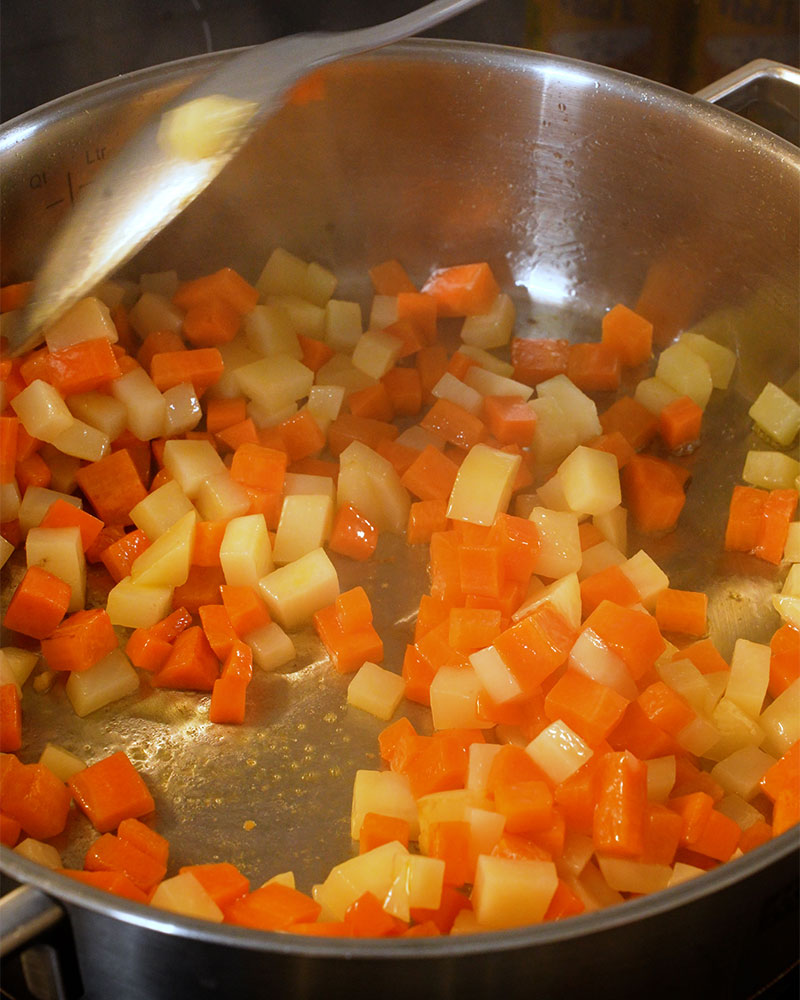
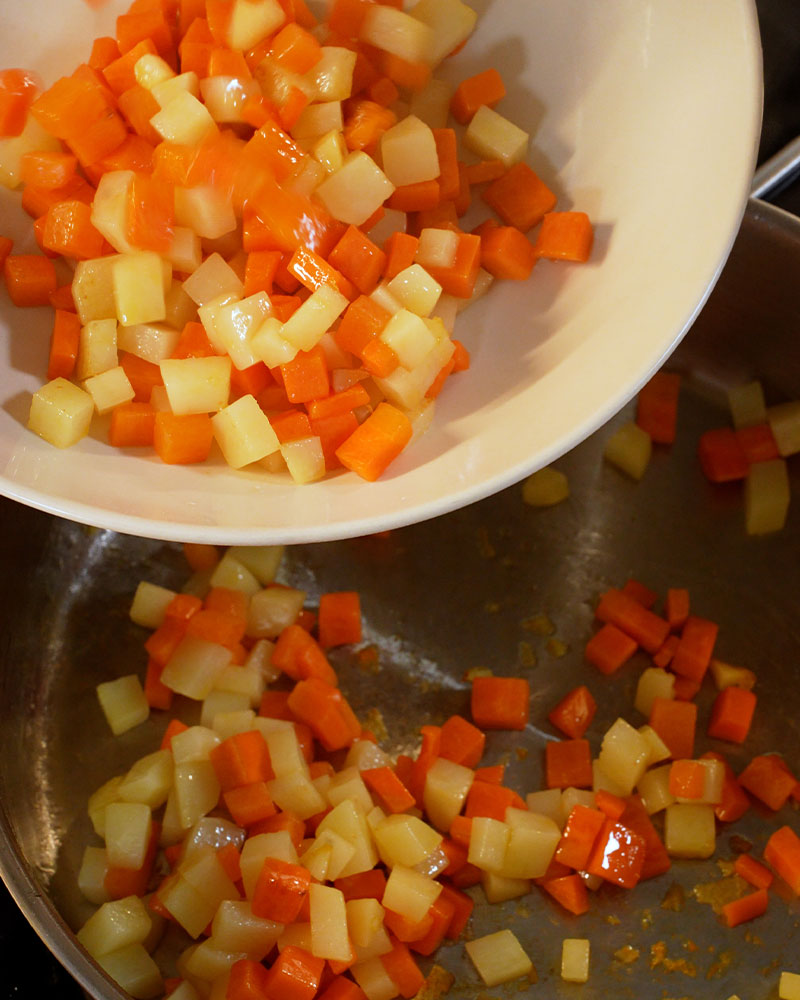
In a deep pan, fry your diced potatoes and carrots over medium heat, then remove them from the pan.
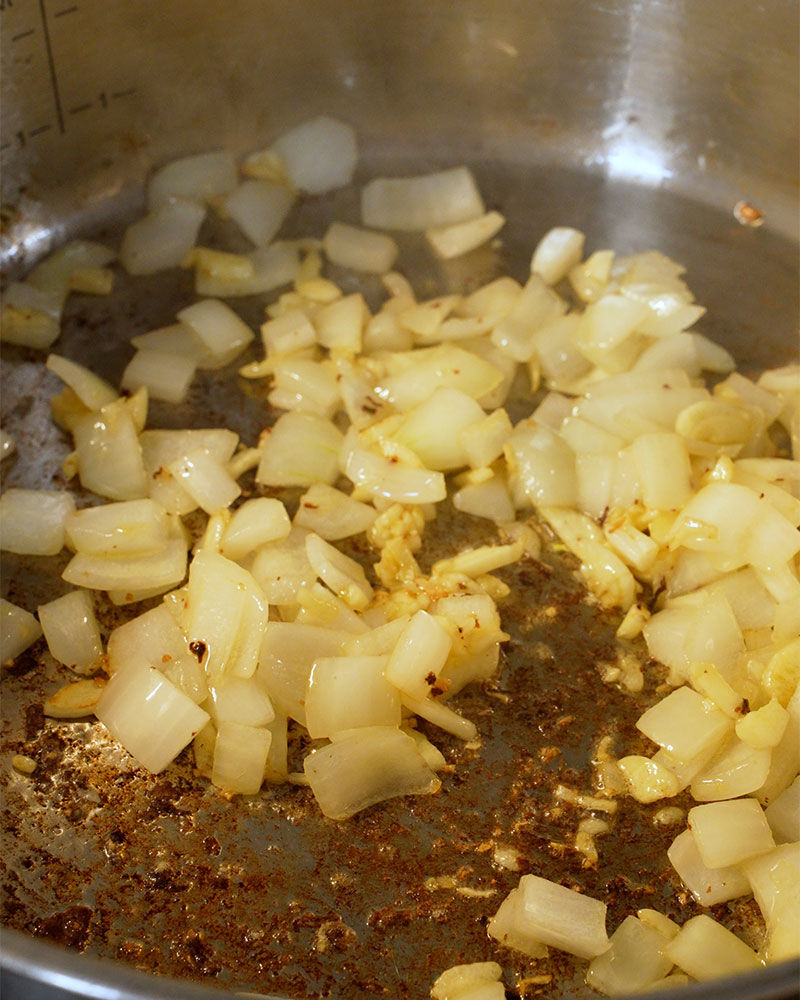
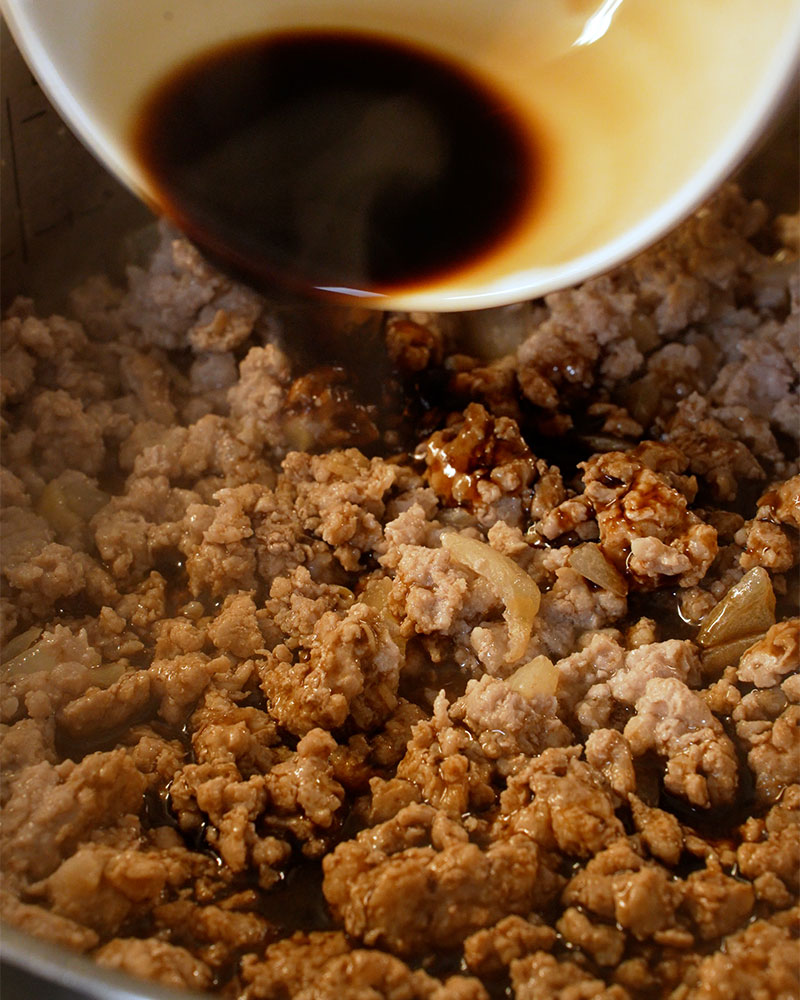
Sauté your garlic and onion. Once fragrant, add your pork, soy sauce, and vinegar. Let everything go to a simmer until your pork is fully cooked.
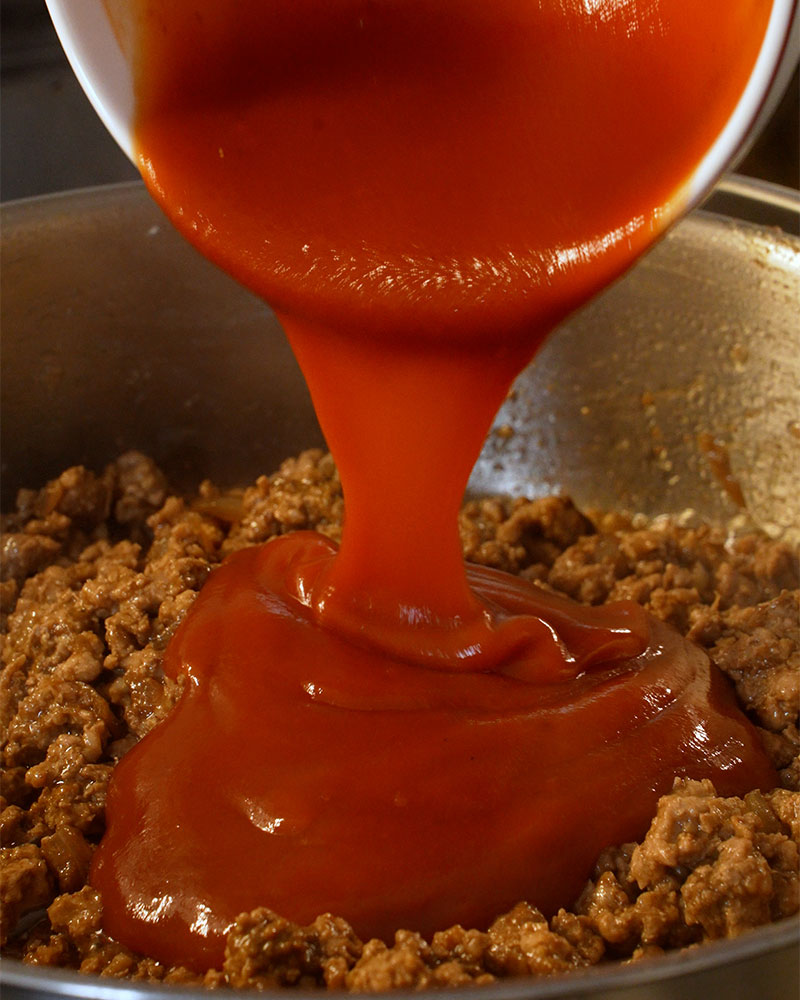
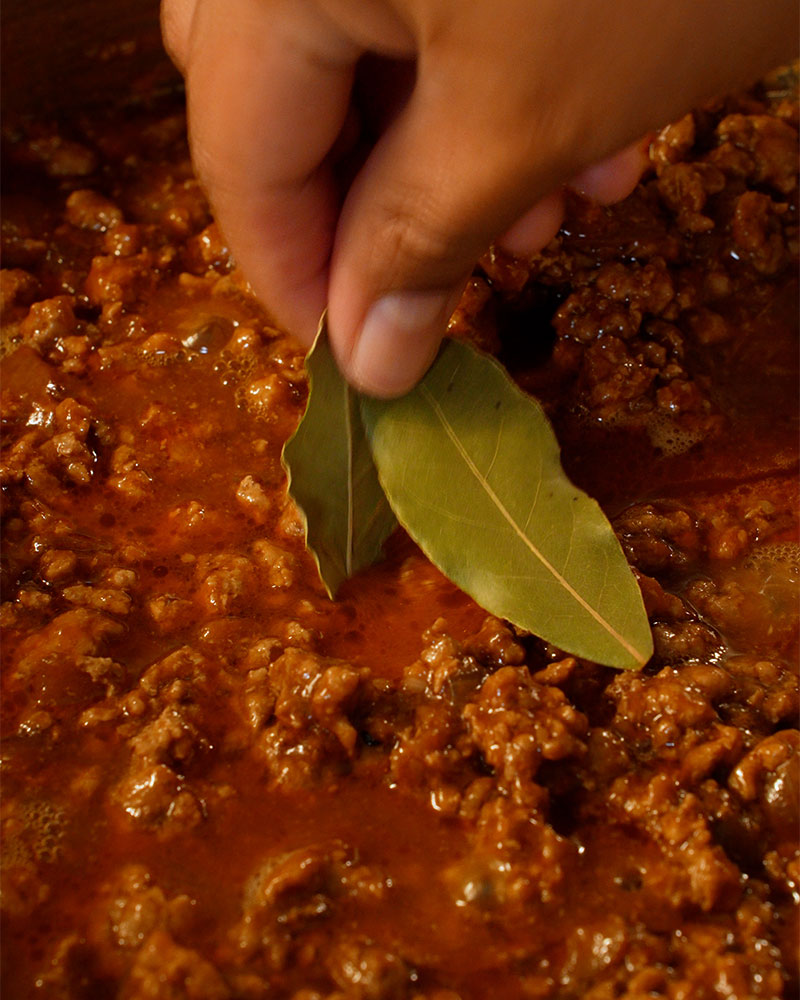
Mix in your tomato sauce, water, and bay leaf. Let it come to a simmer.
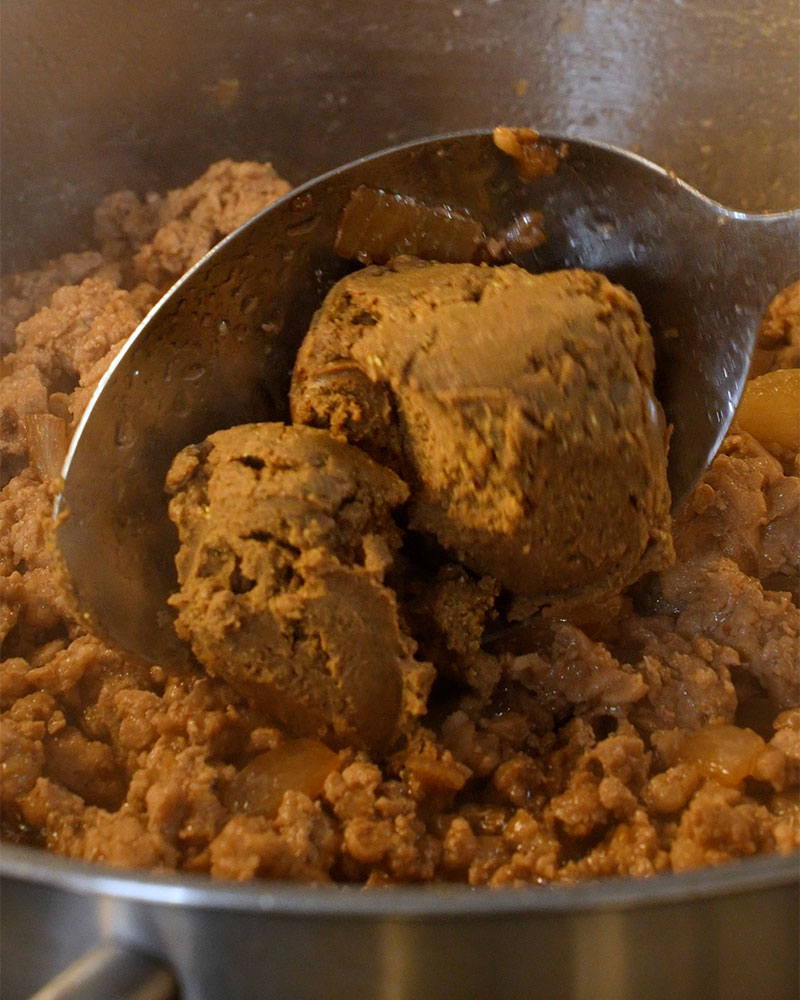
Mix in your liver spread until it is fully dissolved. Add more water if necessary, especially if there’s no liquid left. (Note: You can add ½ cup of water at a time.)
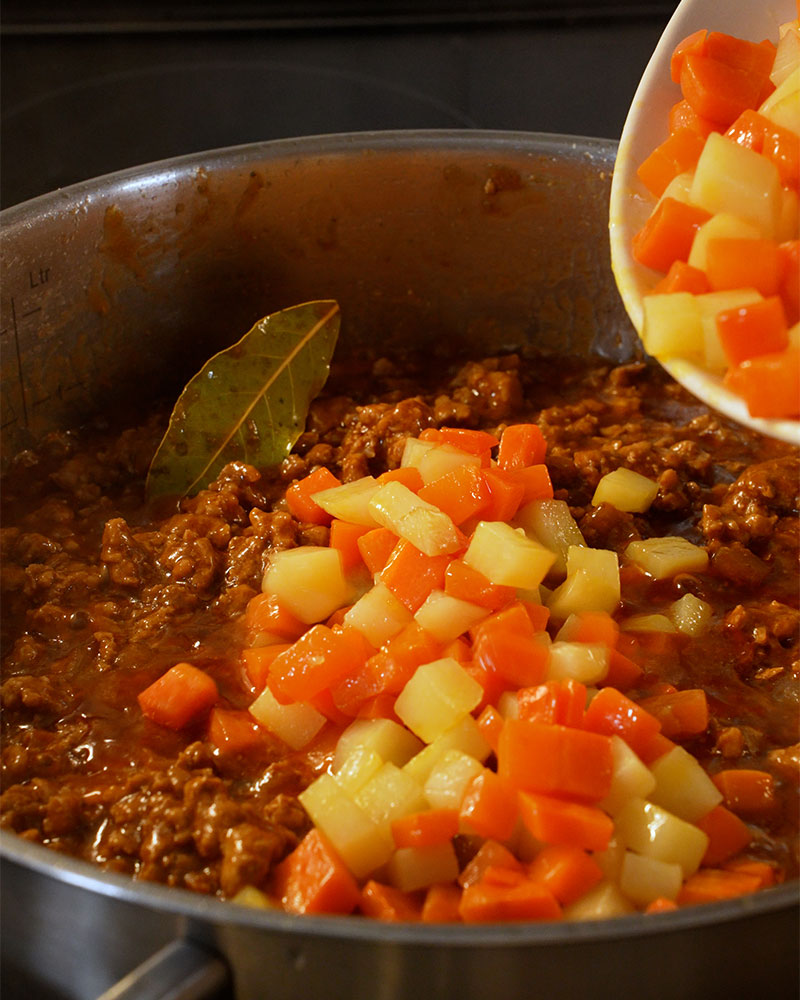
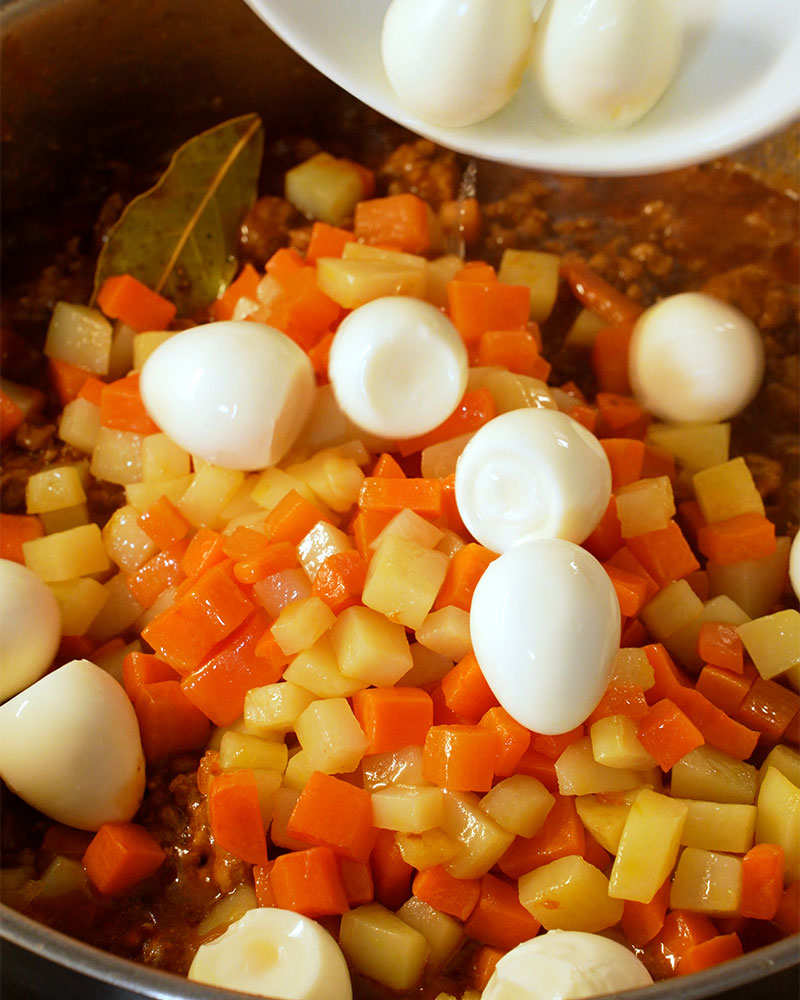
Add your fried potatoes and carrots back in, along with your cooked quail eggs. Season with salt and pepper to taste!
Cover and let it simmer for another 5 minutes. Enjoy with rice, and you have your packed lunch for tomorrow!
Ingredients:
Liver Spread
I feel like a lot of people are hesitant when they hear “liver spread.” Understandable, because this may not be a typical ingredient for a lot of people. BUT, if you’ve had the French spread pâté, it’s basically the same thing! Liver spread is very popular in the Philippines and is commonly sold in small cans. The OG brand and my personal favourite is Reno. It has a smooth, thick, paste-like consistency.
My favourite thing about this is the spice. It tastes almost spicy, possibly from the black pepper mixed with different spices and herbs. Truly one of the best palaman for plain bread, in my humble opinion.
Fun fact: I wanted to recreate my mom’s recipe to a tee, but I ended up mixing it with her menudo recipe, so now I’ve created a hybrid! It turned out really good, but I’ll try to recreate my mom’s original recipe for a possible family vault series… (coming soon?).
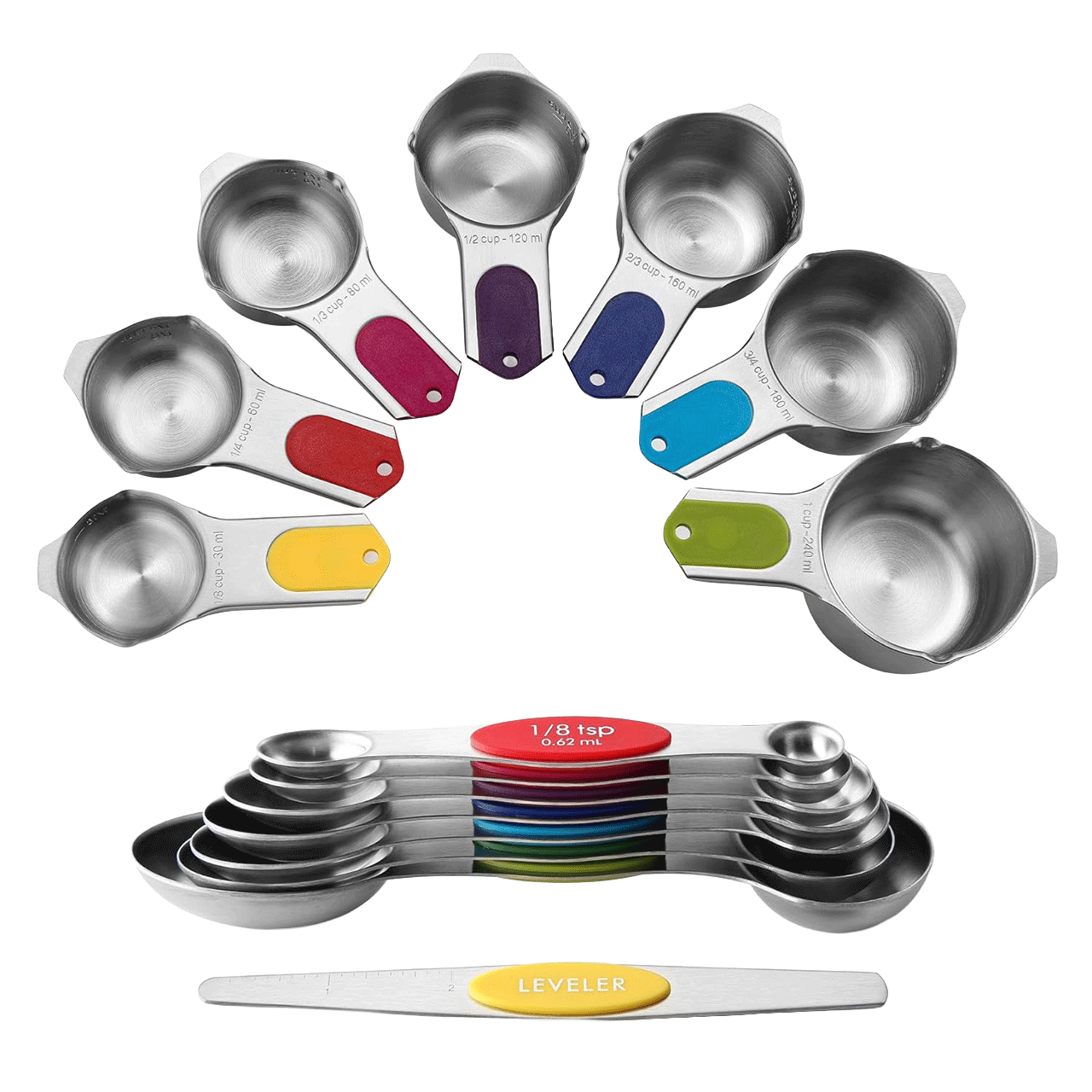
Equipment:
*links below are affiliate links. If you buy through them, I may earn a small commission at no additional cost to you.
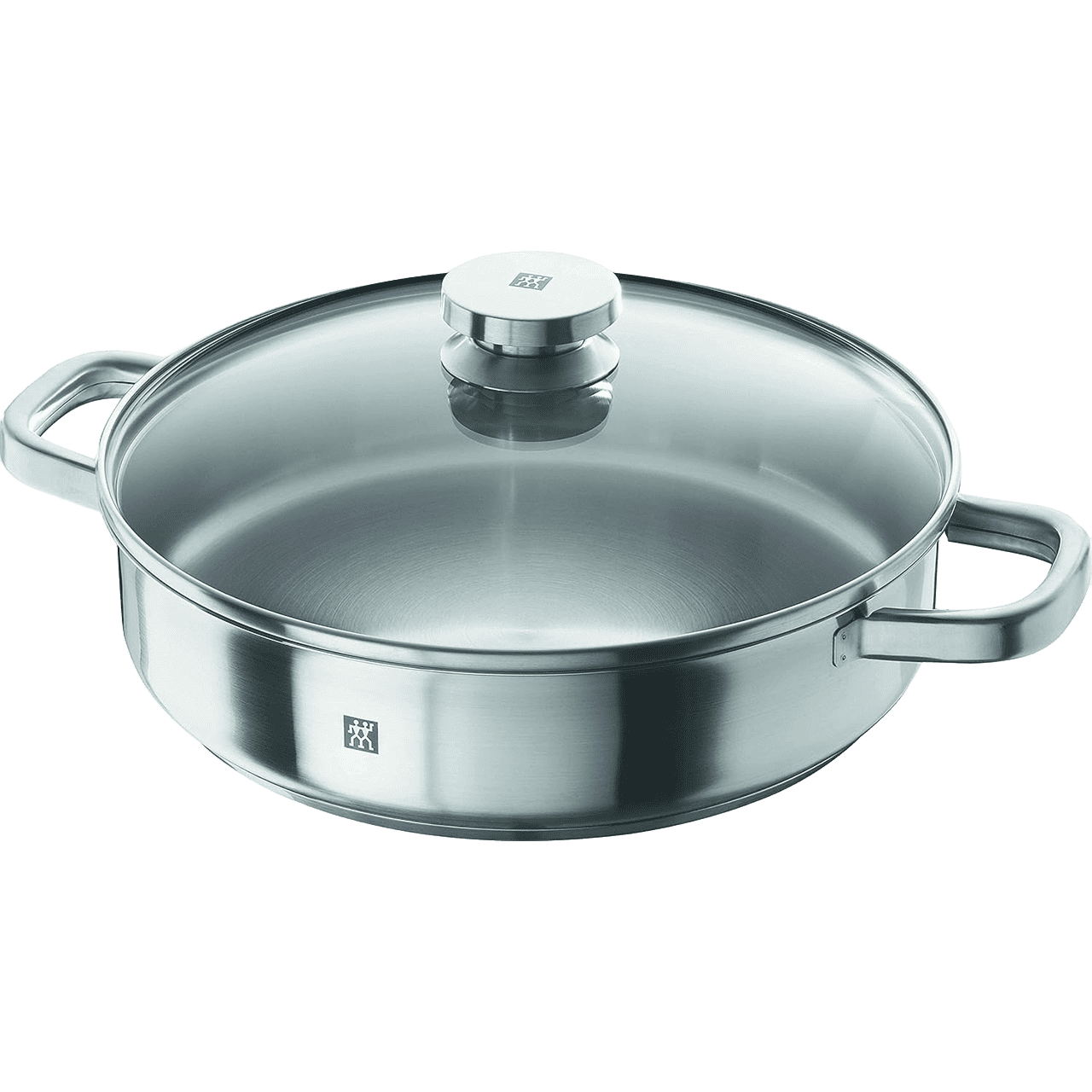
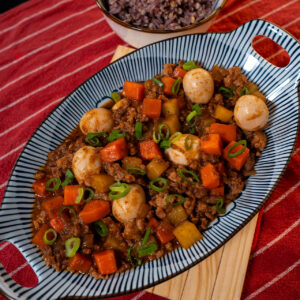
Filipino Giniling Recipe (with Liver Spread)
Ingredients
- 600 g ground pork
- 1 pc large carrot peeled and diced
- 1 pc medium potato peeled and diced
- 1 pc medium onion diced
- 4 cloves garlic minced
- 1/4 cup soy sauce
- 1/8 cup vinegar
- 1/3 cup liver spread
- 200 g tomato sauce
- 1/3 cup water
- 2 pcs bay leaf
- 200 g quail eggs
- Salt and pepper to taste
Instructions
- In a deep pan, pour in about 3 tbsp of neutral oil over medium heat. Once it’s hot, fry your vegetables first until you get a good crust on the outside.
- Remove your vegetables from the pan.Start sauteeing your onion and garlic until fragrant.
- Add your ground pork, soy sauce, and vinegar, then cook until the meat absorbs most of the liquid and some of it has evaporated, but not completely.
- Pour in your tomato sauce, water, and bay leaf, then let everything come to a simmer.
- Mix in your liver spread until it is fully dissolved. Add more water if necessary, especially if there’s not enough liquid left.
- Add your fried potatoes and carrots back in, along with your cooked quail eggs. Season with salt and pepper to taste!
- Cover your dish and let it simmer for another 5 minutes.
- Serve your giniling with rice (of course) and enjoy my favourite baon – now yours too!

Kamusta?
I’m the hungry, and the curious Kat!
If food is a love language, then call me a linguist. I love experiencing life through food, and it’s something I enjoy sharing with others. I hope my recipes and stories inspire you to pick up that pan and start cooking – ’cause why not?
If you made my recipe, I would love to see it! Pleaseeee tag me, gurl!